Executive Summary
Lessons from early LEN introduction in Kenya, Malawi and Uganda
Key achievements and recommendations for future prevention rollouts.
Download the Executive Summary (PDF)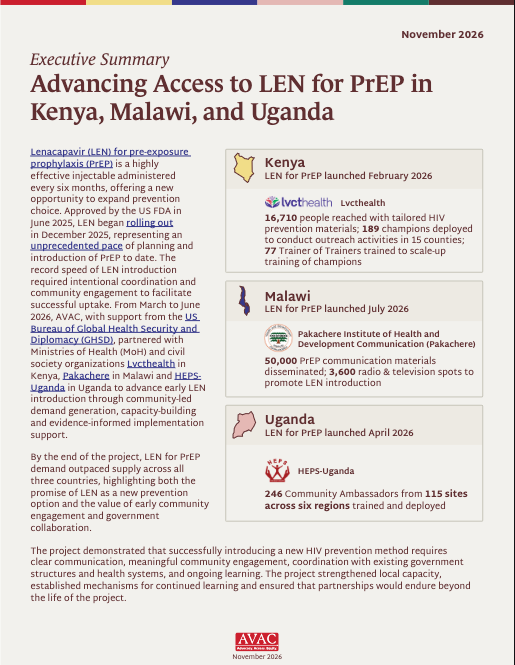
Project Overview
Long-acting pre-exposure prophylaxis (PrEP) is expanding the range of HIV prevention products, allowing people more options to select prevention products that best align with their needs and preferences. Lenacapavir (LEN) for PrEP, a highly effective six-monthly injectable, is one such product. First approved by the US Food and Drug Administration (FDA) in June 2025, LEN began rolling out in priority countries just six months later – reflecting an unprecedented pace of introduction among PrEP products to date. Given the promise of LEN for PrEP in the fight against HIV, and the record speed with which it is being introduced, it is critical that scale-up happens with strong partnerships and community leadership.
From March to June 2026, AVAC, with support from the US Bureau of Global Health Security and Diplomacy (GHSD), worked with Ministries of Health (MoH), civil society and key stakeholders to support community-centered, strategic planning and rollout of LEN for PrEP in three early adopter countries: Kenya, Malawi and Uganda. AVAC supported MoHs and three civil society partners – Lvcthealth, Pakachere Institute of Health and Development Communication (Pakachere) and HEPS-Uganda – to design and implement locally-tailored initiatives to facilitate LEN for PrEP introduction.
The projects focused on:
The project was designed to ensure meaningful partnership between implementing partners and MoHs from the outset that would continue beyond the life of the project. This approach aimed to drive progress towards achieving sustainable HIV prevention impact within limited resources and time constraints. While LEN was the focus of this project, all countries highlighted the importance of centering choice in the delivery of HIV prevention services, even when promoting a specific prevention product.
Achievements by the Numbers
Overall
3
countries rolled out LEN with strong community and MoH collaboration
396
community members trained on HIV prevention outreach and community mobilization
56
demand generation materials developed with community input for national use
By Country
Kenya
16,710
people reached through tailored HIV prevention outreach
Malawi
50,000+
PrEP communication materials disseminated nationally
Uganda
246
Community Ambassadors from 115 sites across six regions trained and deployed
Implementation
Project implementation followed national rollout timelines and priorities. LEN for PrEP launched in Kenya in February 2026, Uganda in April 2026 and Malawi in July 2026. Across the three countries, partners led demand generation efforts, strengthened community capacity to conduct HIV prevention outreach and supported governments to prepare for and evaluate early LEN introduction.
Communications and Demand Generation
Partners worked collaboratively with governments and communities to develop tailored communication materials. The materials were designed to raise awareness of LEN as a new PrEP option, while situating it among other available prevention options to increase understanding of PrEP overall. Across the three countries, 56 demand-generation materials were developed with community input.
In Kenya, 189 community champions conducted outreach across 15 counties. In Malawi, Pakachere disseminated more than 50,000 PrEP communication materials and supported more than 3,600 radio and television spots to raise awareness of LEN. In Uganda, HEPS-Uganda reviewed and updated the national PrEP and PEP Communication Framework and secured national approval for a suite of HIV prevention communication materials.
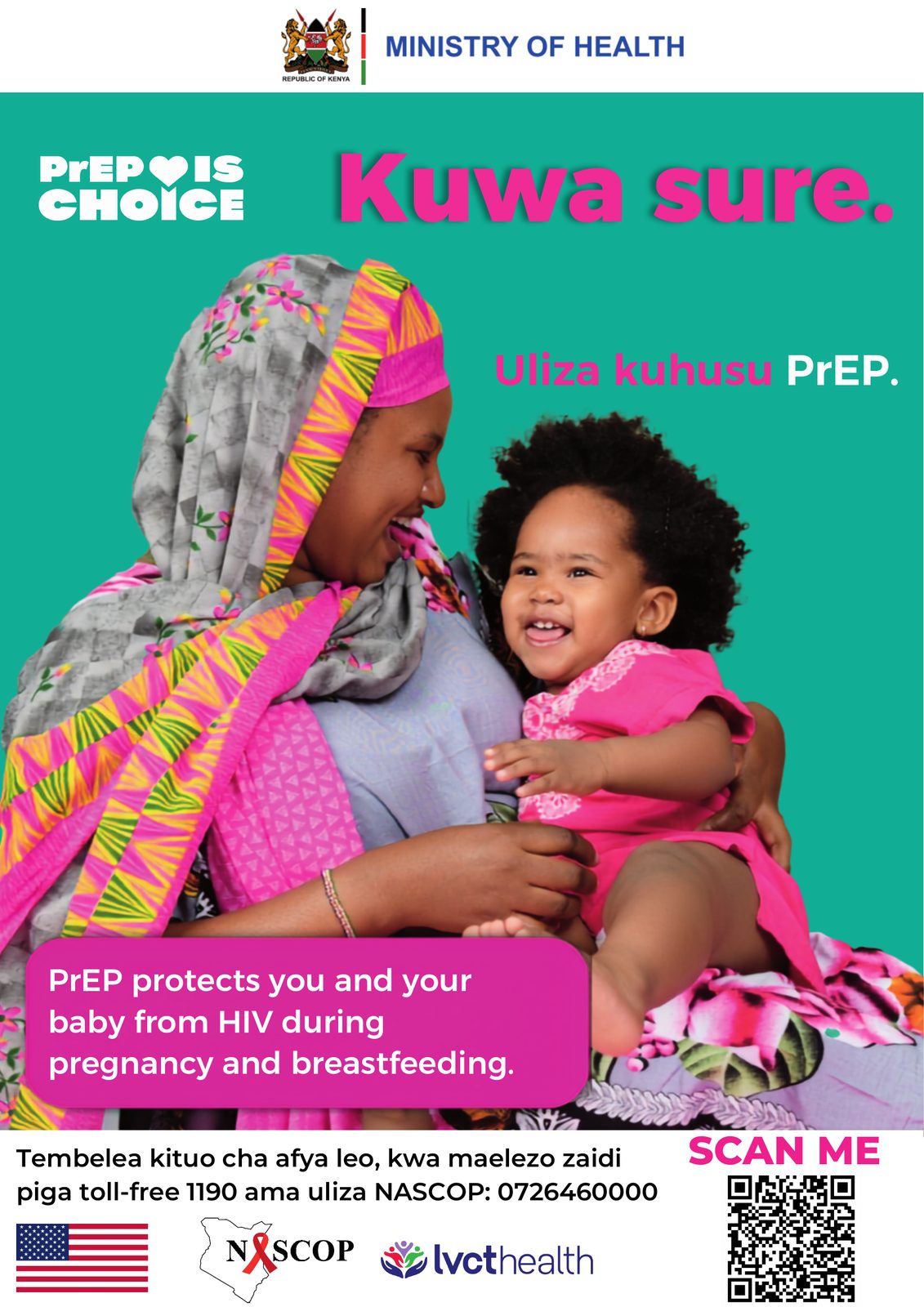
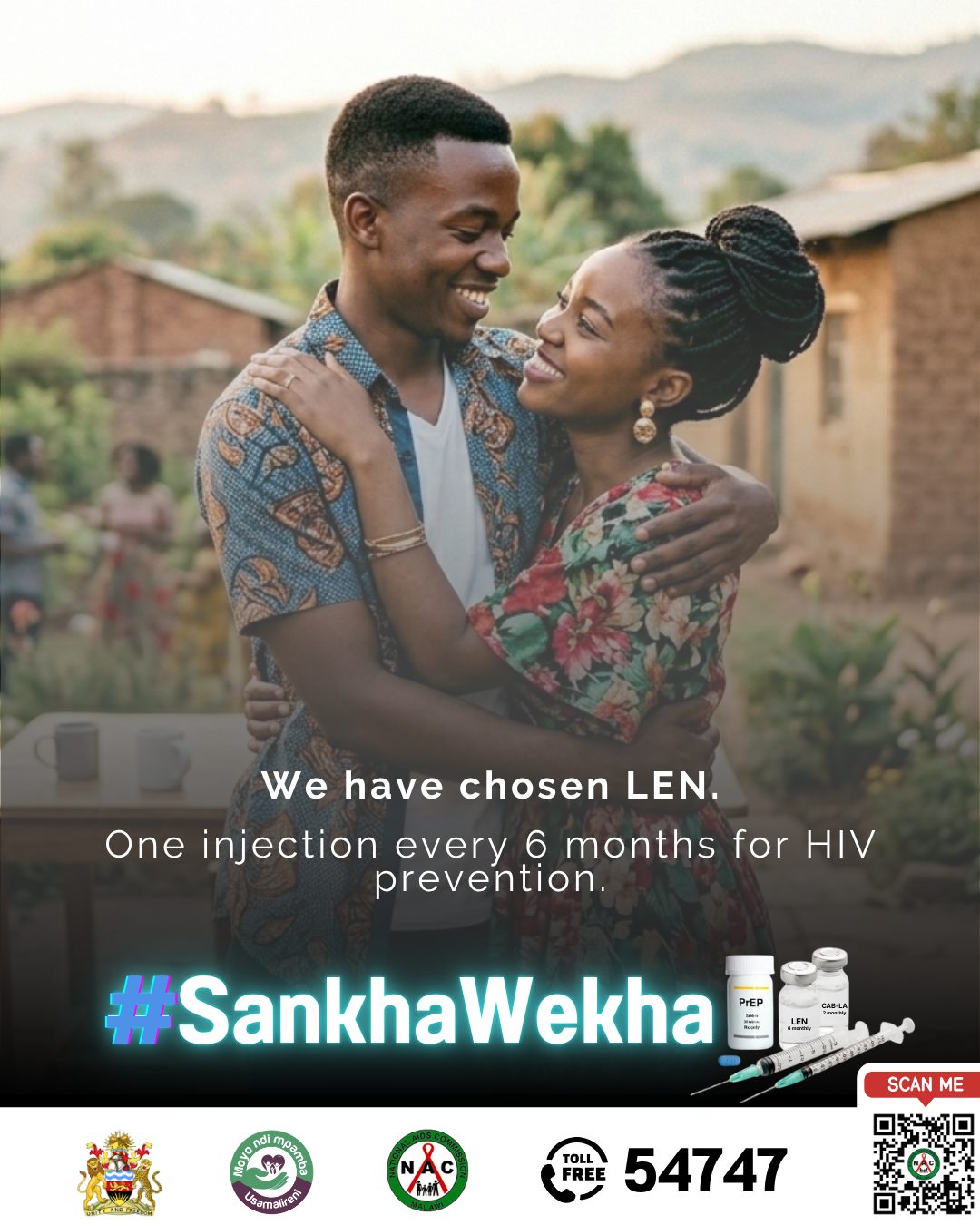
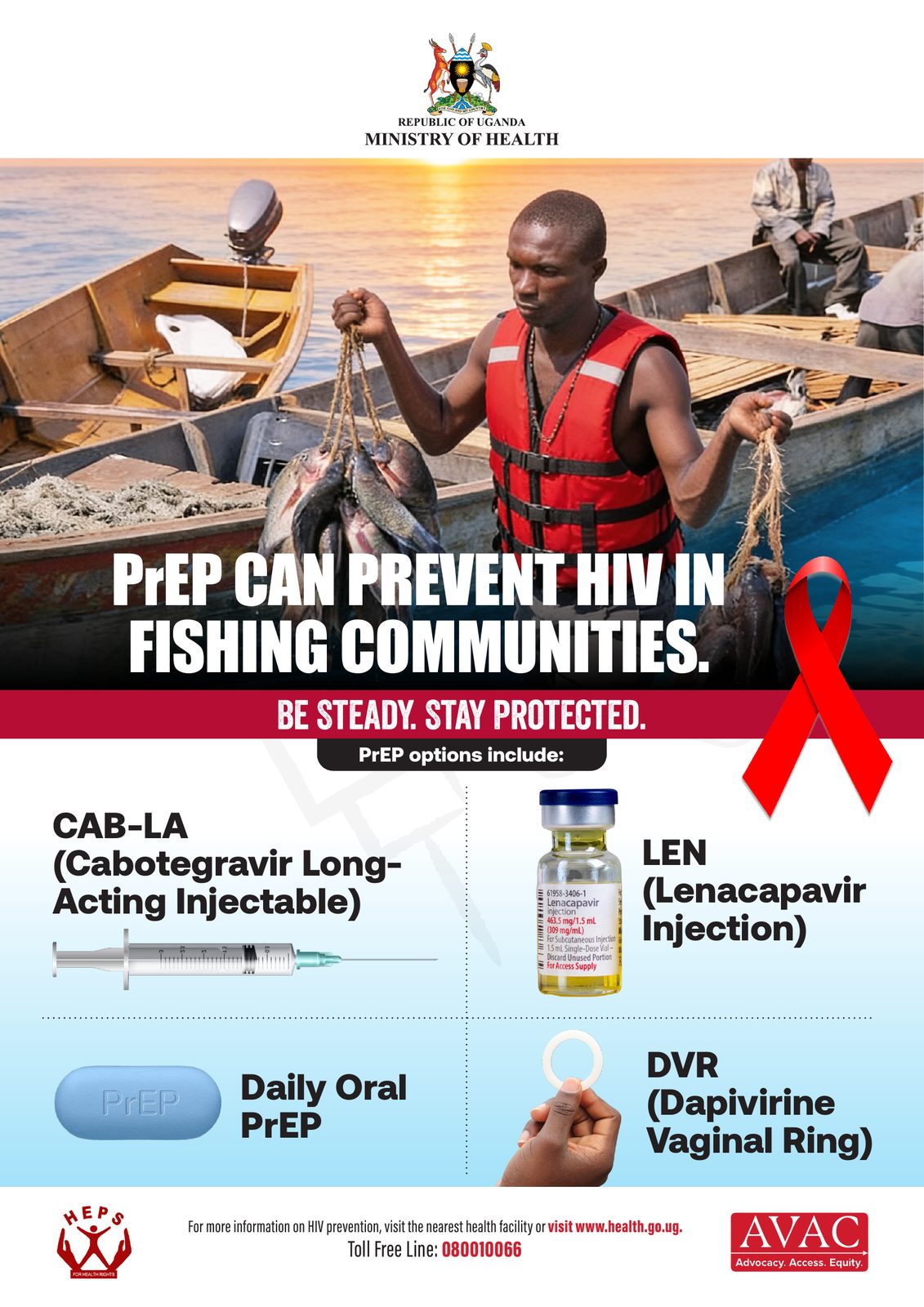
Example demand generation materials from Kenya, Malawi and Uganda.
Capacity Building and Community Engagement
The project strengthened collaboration among government, civil society, media and service providers. Across Kenya, Malawi and Uganda, 396 community members were trained to strengthen HIV prevention outreach and community engagement. In Kenya, Lvcthealth trained 77 Trainer of Trainers on the HIV Prevention Ambassador Toolkit, who then reached 16,710 people in communities with information, of whom 5,699 were referred for services and 2,391 accessed a PrEP method. In Uganda, 246 Community Ambassadors from 115 PrEP implementation sites across six regions were trained and deployed. The media was also recognized as an important stakeholder group, and in Uganda, four regional Media Science Cafés focused on LEN rollout reached 86 journalists and media personnel, resulting in the publication of 19 stories on LEN, contributing to accurate public discourse and supporting informed HIV prevention decision-making.
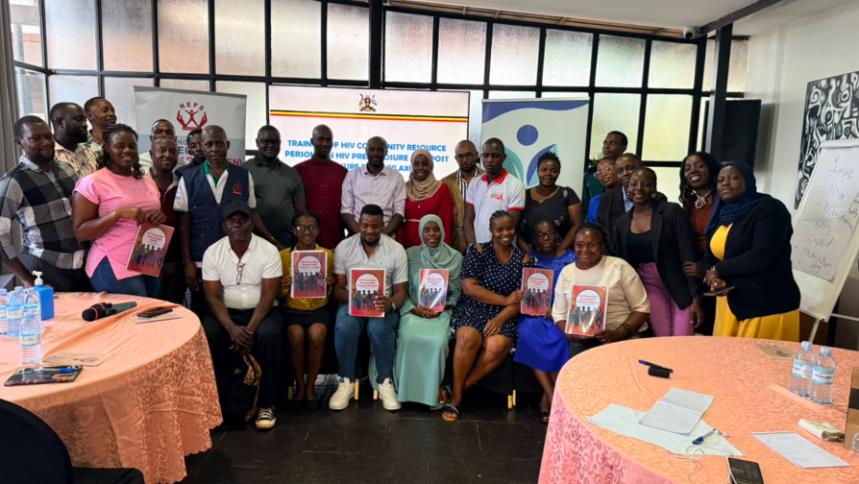
HEPS-Uganda national Training of Trainers on Community Workforce Capacity Building for PrEP and LEN Demand Creation.
LEN Introduction and Implementation Support
Partners supported early rollout by strengthening health service readiness, providing technical assistance and documenting early lessons to inform ongoing scale-up. In Kenya, Lvcthealth provided technical assistance across 15 priority counties and convened a learning forum with county representatives and national stakeholders to discuss rollout progress, facility visit findings and improvements to LEN delivery. In Malawi, Pakachere adapted activities to accommodate shifting launch timelines, redirecting resources toward launch communications and community-informed demand-generation materials. In Uganda, HEPS-Uganda assessed 54 health facilities across 41 districts to identify service delivery gaps and inform scale-up, while working through existing MoH technical structures to support implementation.
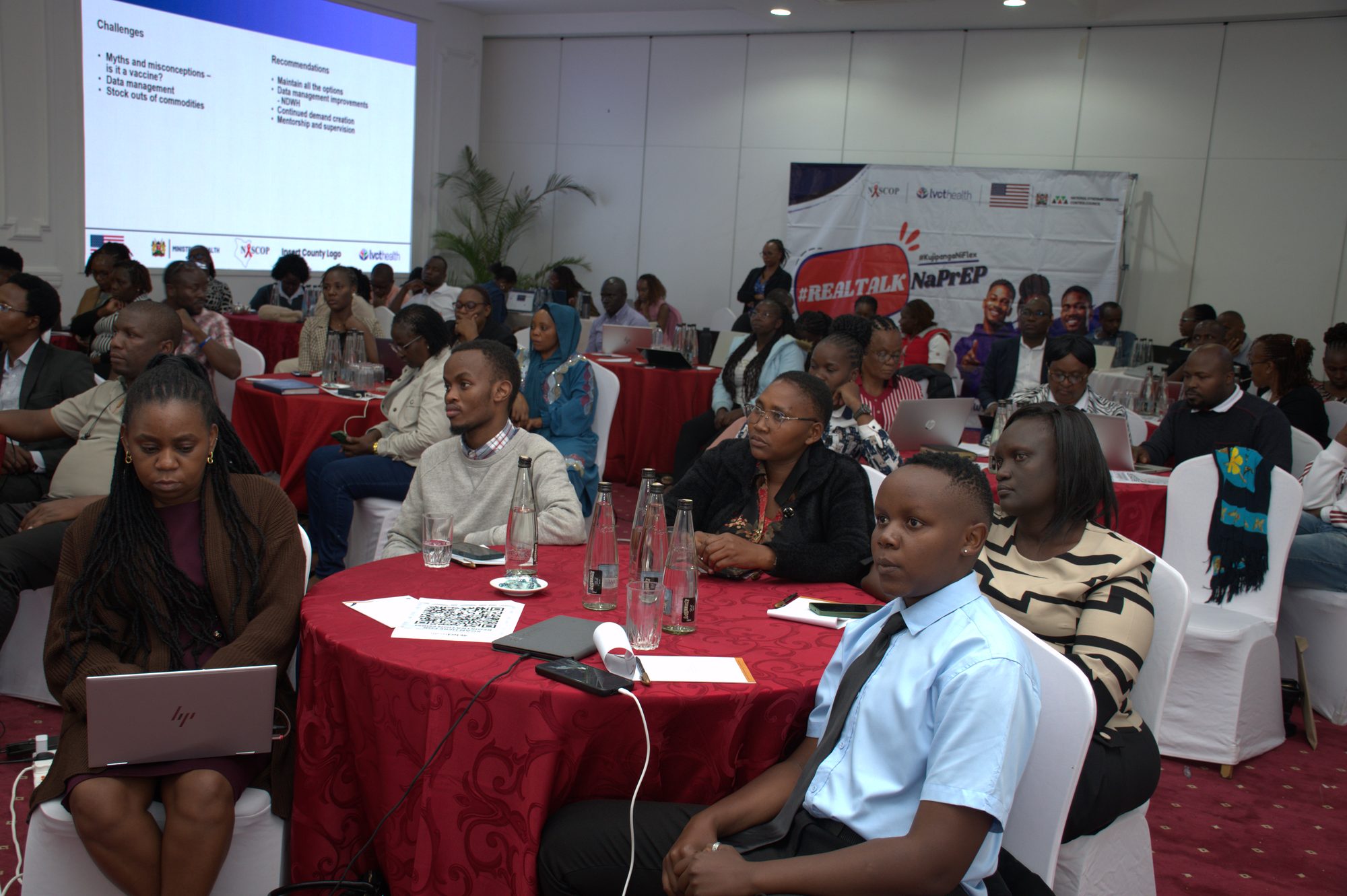
Lvcthealth learning forum.
Impact
By the end of the project, demand for LEN for PrEP outpaced supply across Kenya, Malawi and Uganda — an unprecedented outcome compared to previous prevention products, potentially linked to the intentional early investment in demand generation and community engagement. The project helped build awareness of HIV prevention options, connect communities to HIV services and strengthen health system capacity to support PrEP rollout. By investing in trusted community networks, nationally aligned communication materials and government collaboration, the project laid a stronger foundation for authentic prevention choice and the expansion of HIV prevention options, including, but not limited to, LEN for PrEP.
Lessons Learned & Sustainability
The project identified several lessons that apply not only to ongoing LEN introduction, but also to the rollout of future prevention products and continued scale-up of existing PrEP options:
The project prioritized sustainability by integrating activities into existing government and community structures, strengthening local capacity and developing resources to support continued implementation beyond the project period. Each implementing partner developed transition plans to transfer project-developed materials, tools, knowledge and learning platforms to MoH and other national stakeholders. Sustaining these investments will require continued government leadership, integration of demand generation into routine HIV prevention programming and ongoing support for community-based cadres and health workers. Community feedback and service delivery data will also be essential to identify and address gaps in access and supply as LEN rollout continues.
Country Snapshots
Read more about the work and impact of each country below.