November 17, 2026
Advancing Access to LEN
Learning in Practice: Reports from our Partners — Uganda
The successful introduction of a new HIV prevention technologies depends on health system readiness, public understanding and trust. Journalists play a critical role in translating scientific evidence into information that communities can understand, yet many have limited familiarity with the principles of HIV prevention science and choice, and the evolving landscape of new prevention technologies.
To strengthen the quality of public communication on HIV prevention, HEPS-Uganda partnered with the Ministry of Health and the Health Journalists Network of Uganda (HEJNU) to convene regional Media Science Cafés focused on HIV prevention, bringing together 86 journalists and media practitioners from across the country. The engagements created a platform for direct dialogue and stronger ongoing collaboration between journalists, HIV researchers, clinicians, program implementers and policy makers – enabling media professionals to deepen their understanding of LEN and other PrEP options, and Uganda’s national rollout strategy.
The Media Science Cafés strengthened journalists’ ability to communicate accurate, balanced, and evidence-based information on HIV prevention. Participants gained a clearer understanding of the science behind LEN, the broader prevention-choice approach, and the importance of presenting HIV prevention information in ways that empower communities. Following the Cafes, journalists produced stories across print, broadcast, and digital media that expanded public access to credible information on LEN and other PrEP options.
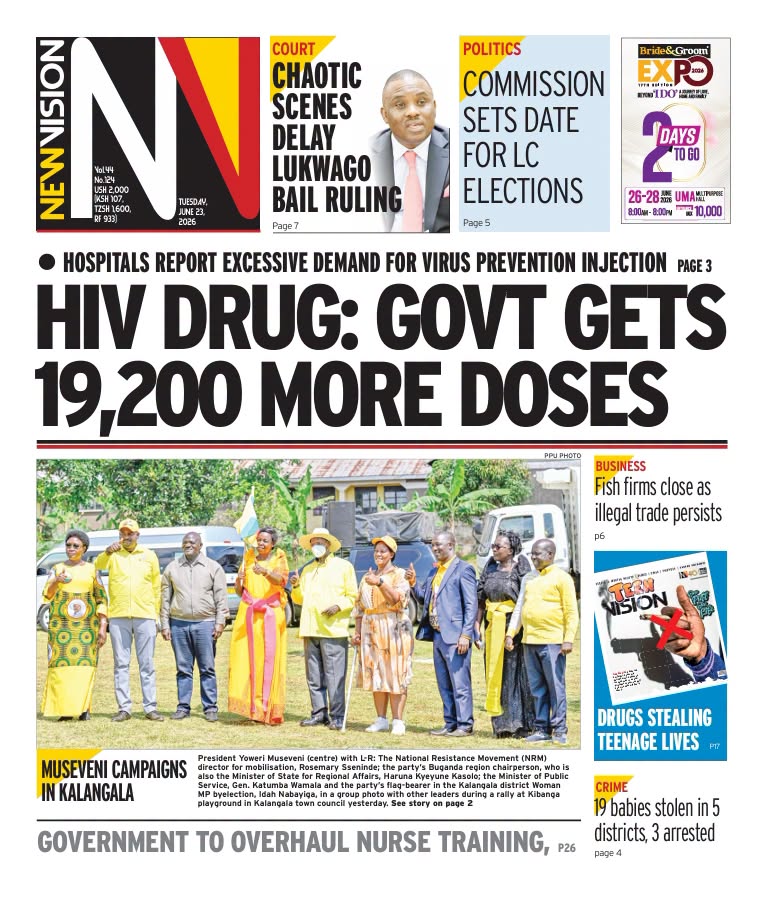

Public confidence in new health technologies is shaped by credible information. Strengthening the media’s capacity to report accurately on LEN and HIV prevention, in conjunction with strong, community- centered national communication materials, contributed to more informed public discourse, reduced misinformation, and supported informed decision-making among individuals considering HIV prevention options. The relationships established between journalists, researchers, and government institutions will continue to strengthen evidence-based health reporting beyond the rollout of LEN, and improve media coverage of HIV prevention, services, and science.