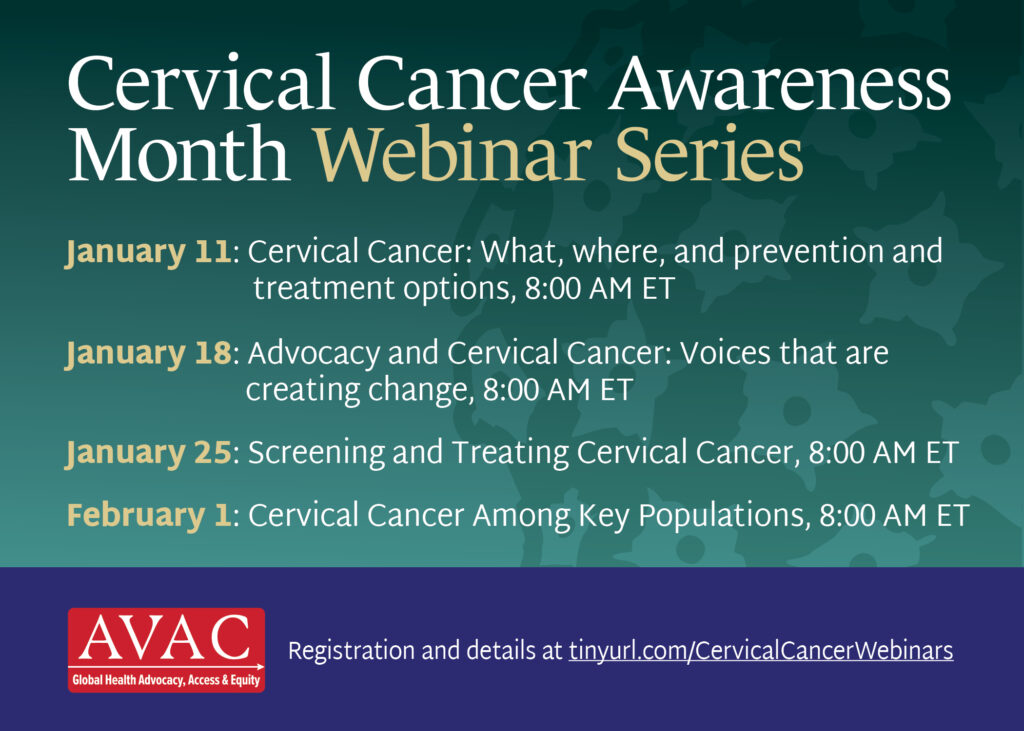
Vital Conversations in October and November: So many webinars, so little time!

The October and November calendar of webinars offers a wealth of conversations on cross-cutting issues facing advocates who care about global health equity and HIV prevention. From discussions on PEPFAR reauthorization, to an evolving picture on sexually transmitted infections, to case studies on new interventions at the intersection of HIV prevention and family planning, to research on barriers to care and health priorities for Black gay men in the US; it is a season for advocates to engage in shaping an agenda for 2024.  

Scroll down for details and see you online! 

October 26, Practicality over Panic: What happens if PEPFAR isn’t reauthorized? 

At 11:00 AM ET: Join the Global AIDS Partnership (GAPP) for a candid assessment of the current landscape around PEPFAR, including the implications for work on the ground. It is intended to redirect anxiety into action and provide a reality check: PEPFAR is not going anywhere any time soon.

REGISTER

October 31, Boo, Syphilis is Really Back!

At 1:00 PM ET: Syphilis rates have increased drastically in recent years. Learn how others are addressing these rising rates and the techniques clinicians are using to detect, treat, and prevent infections. Co-hosted with NACCHO and NNPTC.  

REGISTER

November 7, Results from STI Landscaping Analyses in East and Southern Africa—Part 1 

At 9:00 AM ET: Hear results from STI landscaping projects conducted by AVAC partners in seven different East and Southern African countries that explored needs for STI vaccines and diagnostics.  

REGISTER

November 9, Results from STI Landscaping Analyses in East and Southern Africa—Part 2

At 8:00 AM ET: Hear results from STI landscaping projects conducted by AVAC partners in seven different East and Southern African countries that explored needs for STI vaccines and diagnostics. 

REGISTER

November 9, Pioneering Self-care Solutions to Drive Access to HIV Prevention and Family Planning 

At 8:00 AM ET: This session will amplify lessons from five self-care interventions in family planning and HIV prevention — with case studies on specific interventions— DMPA-SC; the Caya Diaphragm; the Dual Prevention PillHIV self-testing; and Triggerise; an mHealth platform. Learn more about how these successful self-care strategies can be applied across diverse settings and join the discussion on the future of self-care in sexual and reproductive health. This session is part of the 2023 Self-Care Learning and Discovery Series. Learn more here

REGISTER

November 15, HPTN 096: Building Equity Through Advocacy – An Integrated, Status-Neutral Approach for Ending the Epidemic Among Black Gay Men in the South

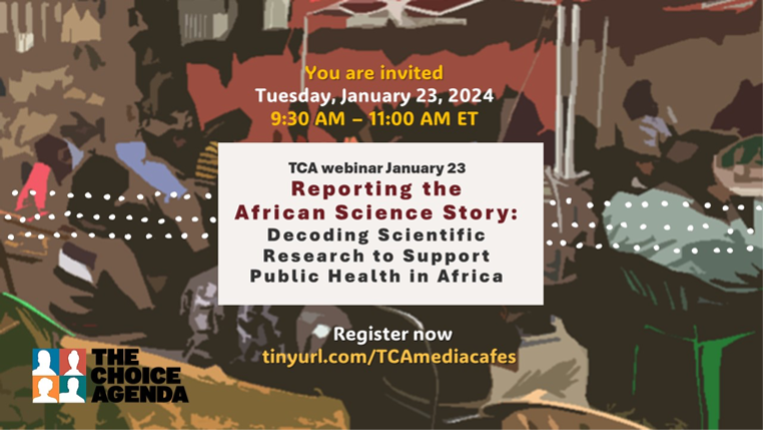
At 10:00am ET: Join The Choice Agenda and partners for a fascinating discussion about a novel, much-needed HIV prevention research study – HPTN 096. Currently in the field, the study addresses social, structural, institutional, and behavioral barriers to HIV prevention and care. Visit the study website here. See the speakers list here. Co-sponsored by PrEP in Black America and Federal AIDS Policy Partnership Research Working Group 

REGISTER

Announcing 5 New Advocacy Projects Devoted to Advancing Cure Research!

AVAC is excited to announce five new awards to accelerate advocacy for cure research.   

Five alumni from AVAC and the International AIDS Society’s renowned Advocacy-For-Cure Academy program will now receive 10-month, $10,000 fellowship awards, to identify local needs and create solutions that advance HIV cure research in their local context. These fellowships are part of the overall Advocacy-For-Cure Academy, which is a training program to prepare a generation of cure advocates to fight effectively for research that matters to the people who are most impacted by HIV. Launched in 2018 by AVAC and IAS, this program has supported 96 alumni to attend five academies. To learn more about the academy program click here

The first fellowships were issued to Cure Academy alumni in 2019 who have since developed training tools like the Series of Jojo, built partnerships between traditional healers and local researchers and promoted better understanding and translation of cure research by journalists.  

Advocates and community leaders play an important role accelerating ethical research and creating an enabling environment that allows research to thrive. These fellows are building awareness among key stakeholders about the current landscape of HIV cure research and supporting the growing movement to build a cure agenda led by countries most affected by HIV.  

Learn more about the newest cohort of fellows below. 

Josephine Achieng 

Josephine’s project uses a collaborative approach to promote HIV cure information and education for sex worker and other key population (KP) community advocates and health care workers for inclusive access to potential cures. Her project builds on former grantee Philister Adhiambo’s project to raise awareness and support among key populations. The project goal is to promote and strengthen efforts towards HIV cure research in Nairobi, Kenya. 

Charles Brown 

Charles’ HIV cure research advocacy focuses on increasing the participation of the community, policy makers and funders in HIV cure research engagement in Uganda. Charles will conduct interactive dialogues with HIV cure researchers to share information and simplify the HIV cure science while sharing opportunities to get engaged in the science. Charles will also build on advocacy efforts by past academy alumni to advance his work.  

Gastón Devisich 

Based in Buenos Aires, Argentenia, Gaston will work with regional alumni of IAS’ Research-for-a-Cure Academy and leading advocates and researchers to build The Latin American and the Caribbean HIV Cure Consortium. The Consortium will integrate and shed light on the work being conducted in the region and enhance collaborations to develop efficient, productive research and a strong advocacy agenda — producing a regional repository of HIV cure related resources in Spanish and Portuguese and a 2-year advocacy roadmap for the region. 

Doreen Moraa 

Doreen’s “”RAYS of Progress” is an HIV cure literacy project that aims to empower adolescents and young people living with HIV (AYPLHIVs) by delivering accessible information about current HIV cure research through social media platforms. She plans to meet with key stakeholders to elevate the importance of HIV cure research in Kenya. Her project, encompasses the aspect of hope, simplifying scientific concepts, encouraging involvement, and addressing stigma while showcasing the beauty of science in HIV cure research. 

Kennedy Mupeli 

Kennedy’s project aims to enhance cure literacy and advocacy skills among HIV long-term survivors  (HTLS) in four regions of Botswana by training 40 participants in basic HIV and cure science. HTLS, who have lived with HIV for decades, provide invaluable insights into the disease’s progression and resilience, underscoring the importance of their inclusion in research. From this group, four core HIV Cure Champions will receive further advocacy training in cure research, targeting both local and national levels, and will lead a National Cure Advocacy Academy to build a Botswanan agenda. 

These projects have been funded through the generous support of Aidsfund.

STIWatch Newsletter, October 2023

AVAC’s STIWatch newsletter is a curated resource on the latest in STI vaccines, diagnostics, and other prevention tools and strategies. 

STIs and HIV are commonly linked and impact similar priority populations including young people, gay, bisexual, and other men who have sex with men, transgender people, and those living with HIV. To end the AIDS epidemic, there is great need to better prevent, detect, and treat STIs as having an STI can make it easier to get HIV. However, STI research and development lags behind HIV efforts, highlighting a need for new options and programs to better address both epidemics.  

In 2022, AVAC launched an STI advocacy program to mobilize advocates to accelerate the development and equitable implementation of new STI vaccines, diagnostics, and other prevention options. Through this quarterly newsletter, we hope to share valuable information that sparks advocacy for a robust pipeline of interventions for STI prevention.  

New Resources

Visit STIwatch.org, AVAC’s updated and expanded online resource to understand and advocate for research, development and rollout of STI vaccines and diagnostics. This site features updates on the status of vaccines and diagnostics for curable STIs including:  

  • Information on chlamydia, gonorrhea, syphilis, trichomoniasis, and more. 
  • An STI clinical trials dashboard that provides information about trials focused on STI vaccines, diagnostics, and DoxyPEP. 
  • Updated graphics on the state of STI vaccines and diagnostic development. 

STI Advocacy Updates

To understand the needs and evolving landscape around STI vaccines, diagnostics, and advocacy, AVAC awarded seven teams funding to conduct projects in South and Eastern Africa. Congratulations to Nyanza Reproductive Health Society in Kenya, Lesotho Network of AIDS Service Organizations in Lesotho, JournAIDS in Malawi, HIV Survivors and Partners Network in South Africa, ACTS 101 in Uganda, Latu Human Rights Foundation in Zambia, and Pangaea Zimbabwe in Zimbabwe.  

These projects will help shed light on community needs and perceptions around STI advocacy; better understand issues and opportunities related to local STI vaccine and diagnostic research and development and identify areas to improve STI prevention efforts. Read more about the grantees and their landscaping work and join the webinar below.  

Upcoming Events

What We’re Reading

  • JournAIDS calls for increased focus on STIs in Malawi. JournAIDS Program Manager, Dingani Mithi, recently spoke about results from an STI landscaping report that identified challenges and opportunities to improve STI prevention in Malawi. As STIs can increase HIV transmission, Mithi discussed the need for increased STI screening, treatment, and education programs to reduce HIV burden. 
  • ASHM’s 2023 consensus statement on doxycycline prophylaxis (DoxyPEP). ASHM provides DoxyPEP recommendations for community and clinicians along with recommendations for research, guidelines, and policy. These recommendations are intended for gay, bisexual, and other men who have sex with men in Australia to prevent syphilis, chlamydia, and gonorrhea. Using DoxyPEP for a pre-defined period, continuing to promote STI screening, and the need for additional molecular tests to monitor AMR are all discussed within this guide.  
  • Centers for Disease Control and Prevention (CDC) Request for Comment on Guidelines for the Use of Doxycycline Post-Exposure Prophylaxis for Bacterial STIs. The CDC is requesting comments on recently released draft guidance on the use of DoxyPEP to prevent chlamydia, gonorrhea, and syphilis infections among gay, bisexual, and other men who have sex with men, and transgender women. This is an opportunity for advocates to provide feedback on guidelines that will shape clinical practices. Comments are being accepted through November 16, 2023 so share your thoughts today! 

Learn More

To learn more about AVAC’s STI Program, visit STIwatch.org and avac.org/sti. Email [email protected] for questions or additional information. And to sign up for specific updates on STIs, click here.

Paving the Road for STI Prevention Advocacy

AVAC is thrilled to announce awards to seven advocacy partners in Southern and East Africa to conduct projects on community needs for the prevention of sexually transmitted infections (STIs). Join us November 7 and November 9 as our partners present insights from these surveys, and, together, we begin to build an advocacy agenda to accelerate development of new STI vaccines, diagnostics, and other prevention tools and strategies. 

HIV is inextricably linked with other STIs. The same populations are disproportionately affected; experiences around stigma, shame, and lack of access can be remarkably similar, and STIs can increase HIV transmission and acquisition unless coupled with prevention methods like condoms and regular STI testing. Over the past decade, the global burden of STIs has increased dramatically, with the WHO estimating more than a million new cases acquired every day, while funding and other investments have lagged.  

Advocacy is needed to bring more awareness on the impact that STIs have on the health of people and communities and the need for vaccines and diagnostics to better prevent, detect, and treat infections. These advocacy projects are helping build a stronger advocacy movement to help improve funding and commitments in and around STI vaccines and diagnostics.  

The seven partners who will present their findings on the November calls include: 

ACTS101, Uganda
Team Members: Bridget Jjuuko Ndagaan, Shakira Namwanje, Arafat Kabugo

ACTS101 is engaging stakeholders across Uganda to assess and document the status of STI prevention awareness, research and development (R&D) capacity for STI prevention research, and challenges and opportunities to STI services. Learn more about ACTS101 on Twitter.

JournAIDS, Malawi
Team Members: Dingaan Mithi, Christopher Bauti, Sosten Chilumpha

JournAIDS is evaluating how best to enhance STI prevention programs in Malawi and will document critical STI advocacy opportunities. The team will work with local development partners, donors, experts, civil society, scientists, researchers and the Malawi Ministry of Health to identify priorities and next steps for STI diagnostic R&D, prevention and treatment. Learn more about JournAIDS at their website.

Lesotho Network of AIDS Service Organizations (LENASO), Lesotho
Team Members: Mamello G. Makoae, Katleho Ntheri, Tsepo Holoane, Tseliso Makoa, Nthabeleng Ntsekalle, Masheane Khasoane, Peter Raliile, Moleleki Thejane

LENASO is seeking to understand the community needs and landscape around common STIs in Lesotho in the district of Mokhotlong in Mapholaneng area where the big dam construction and mining projects are happening. LENASO is conducting interviews and focus groups for youth who are in and out of school, groups of girls and young women, and groups of males to understand the community needs and perceptions regarding STI advocacy, vaccines and diagnostics. Learn more about LENASO on Twitter @LENASO7

HIV Survivors and Partners Network, South Africa
Team Members: Mandisa Dukashe, Sakhile Xaba, Joy Neo Malesa, Khumalo Moqebelo, Phindile Nkambule

HIV Survivors and Partners Network is engaging diverse stakeholders, including government, civil society and HIV/STI implementing partners to identify community needs and perceptions around STI prevention, diagnosis and advocacy; examine challenges and opportunities related to local STI vaccine and diagnostic access; research and development needs; and opportunities to integrate existing community led programs. Learn more about the HIV Survivors and Partners Network at their website and on Facebook.

Pangaea Zimbabwe AIDS Trust (PZAT), Zimbabwe
Team Members: Imelda Mahaka, Joseph Murungu, Barbra Ncube, Cleopatra Makura, Joseph Njowa

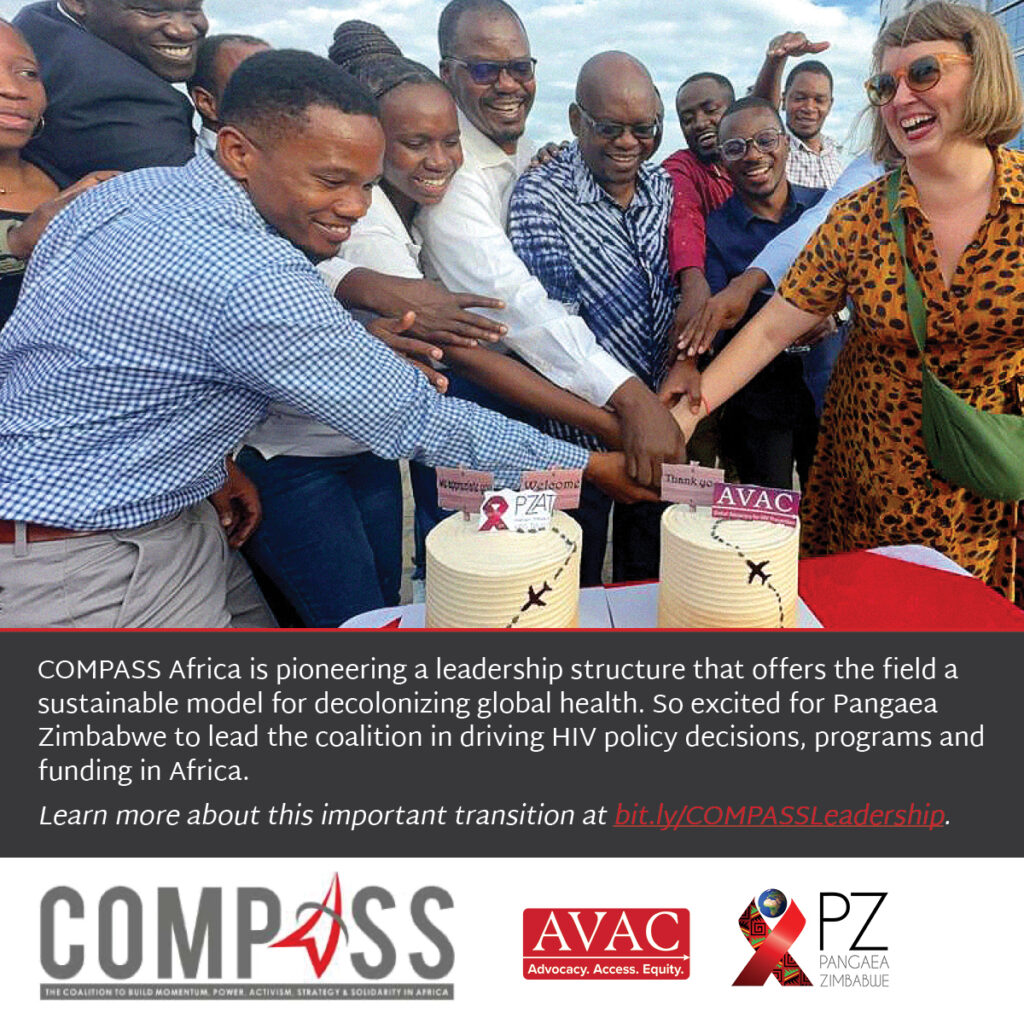
PZAT is conducting a national situation analysis to understand the strengths, gaps, needs, opportunities, and threats in implementing a successful program focused on STI prevention and management in Zimbabwe. The situation analysis will identify existing assets in the community that could support the implementation of STI prevention and management programs; identify gaps and unmet needs that can strengthen these programs; and understand the opportunities and threats that are affecting their implementation. Learn more about PZAT at their website and on Facebook and Twitter

Nyanza Reproductive Health Society, Kenya
Team Member: Simon Odiwuor Ondiek

This project is using mixed-methods to conduct a comprehensive landscape analysis to identify existing advocacy efforts for STI vaccines and diagnostics in Kenya. By assessing the landscape, evaluating gaps and challenges, and engaging key stakeholders, the project will develop actionable recommendations and an advocacy action plan. Ultimately, the project intends to foster collaboration among stakeholders, leading to a coordinated and impactful agenda for equitable access to STI prevention tools in Kenya. In this project, Simon and NRHS collaborates closely with the National AIDS & STIs Control Program (NASCOP), Kenya’s Government agency that focuses on coordinating and overseeing the country’s efforts to combat HIV/AIDS and Sexually Transmitted Infections (STIs). Learn more about Nyanza Reproductive Health Society at their website and on Facebook and Twitter.

Latu Human Rights Foundation, Zambia
Team Member: Henry Sakala

The Latu Human Rights Foundation is examining community needs and perceptions around STI advocacy in the Lusaka Kabwe and Ndola Districts of Zambia. Findings from this landscape analysis will contribute to evidence-based decision-making, inform the development of targeted interventions, and strengthen the overall capacity of STI prevention advocacy programs in Zambia. Learn more about the Latu Human Rights Foundation on Facebook

Investing in these advocates and partner organizations and in this advocacy is an urgent priority at AVAC. Their essential work lays the foundation for drawing critical resources to STI prevention, and accelerating the development of new vaccines, diagnostics, and other prevention tools and strategies. Their work and their voices will be instrumental to strengthening STI programs and equity in sexual health. We hope you’ll join us in congratulating these partners and hearing from them in November about this important work.

Three HLMs, A Host of Challenges and One Major Victory

For the last year, reforming the global health architecture in the hopes of delivering health more equitably has been top of mind. From the Pandemic Fund launch, to post-mortems on the ACT-A (the global body convened to develop COVID-19 interventions and ensure access to them), to the call for a new Pandemic Accord, a strong consensus had finally emerged that things need to change. 
 
Accordingly, this theme ran throughout the health-related proceedings at the UN General Assembly in September where High-Level Meetings (HLMs) on universal health care (UHC), Tuberculosis (TB), and Pandemic prevention, preparedness and response (PPPR) took place. 
 
Four key takeaways from the week stand out to AVAC:
 
Multilateralism is threatened.
Tensions between countries are incredibly high. Each day’s proceedings made clear that the spirit of diplomacy from previous years has waned. Given that there have already been UN Declarations on UHC and TB, advocates went into this year’s process thinking that stronger declarations would be relatively easy to negotiate. But countries were at odds during negotiations for all three health-related HLMs. Country representatives disagreed on a host of issues that will impact access to medical products, financing, and who is responsible for addressing health crises. These disagreements upended usual procedure. Typically, the Declaration is finalized weeks before the actual HLM; this year, a final decision on all three Declarations hung in the balance until the minute before the meetings began. Advocates must work hard in the coming year to bring countries together on key issues in the Pandemic Accord.
 
Access is THE issue.
By far, the question of access to medical products and tools dominated all three HLMs. Tensions around this issue sparked the most heated disagreements during negotiations. During the PPPR HLM, Member States speaking from the UN floor all mentioned their commitment to building more equitable access to medical countermeasures, but richer countries are unwilling to alienate the pharmaceutical industry by including access commitments in international agreements. And lower-income countries are refusing to permit open access to data on new pathogens without access commitments to the products derived from that data. The issue is so fraught it almost derailed any health Declarations at all. Right before HLM week, eleven countries that have been the target of ‘unilateral coercive measures’ (sanctions) sent a letter to the President of the General Assembly refusing to sign on to the declarations because the sanctions prevent them from accessing medical countermeasures — tools, medicines and equipment, needed in a health crisis. The Declarations ended up moving forward anyway with very limited commitments on how best to ensure access to medical countermeasures. It will be imperative for advocates to keep the issue of access front and center and help to navigate toward agreements that all countries can stomach.
 
Civil society engagement is going backward.
The PPPR HLM had no civil society formal engagement mechanism, and the process suffered because of it. Civil society was left out of the loop. They didn’t receive information about the status of negotiations, or details on sticking points. These updates would typically be funneled through a formal mechanism. In addition, the HLM process usually includes two to three days of Multistakeholder Hearings for each HLM to allow civil society to state their priorities and views ahead of negotiations on the draft Declaration. This year, each HLM had just one half-day, significantly limiting the number of civil society organizations and advocates that could get their views in front of Member States. Approvals for registration for both the Multistakeholder Hearings and HLMs came less than a month before the actual event, leaving many advocates too little time to get visas to the US. To add insult to injury, during the HLM, many civil society advocates did not get to make statements from the floor even though time was reserved for civil society – agencies such as Gavi and the Global Fund and pharmaceutical corporations spoke during these slots. Engagement with UN staff is needed to better define what constitutes civil society, and to protect these rare points of access and influence for those who speak for communities. 
 
Policymakers are starting to understand the contributions HIV, TB, and malaria can make to pandemic preparedness.
As the furor to address huge gaps in pandemic preparedness and response capacities ramped up in 2021, it was a slog to get policymakers new to the space, who had not traditionally been involved in health negotiations, to understand the underlying infrastructure and movements that the global responses to HIV, TB, and malaria have built. However, this year’s UN General Assembly showed that advocates have made a lot of progress. The Coalition of Advocates for Global Health and Pandemic Preparedness, of which AVAC is a co-founder, pushed hard for inclusion of these ongoing pandemics in the Declaration on PPPR to great success – two clauses recognizing the existing infrastructure from these responses that can be leveraged for pandemic preparedness and committing to continue the fight to end these ongoing pandemics made it into the final Declaration text. Much more needs to be done to harmonize the PPPR and HIV/TB/malaria architecture, saving advocates and everyone involved in pandemic preparedness extensive time and resources, but the recognition of the interconnectedness of future and ongoing pandemics represents a huge win.

At AVAC, we have put a lot of hope in the processes of the Pandemic Accord, the UN High-Level Meeting (HLM) on Prevention, Preparedness, and Response (PPPR), and the development of a medical countermeasures (MCM) platform. To understand how these three efforts fit together, see AVAC’s Advocate’s Guide to PPPR. 

And check out these other important resources:

Advancing Choice in HIV Prevention

In recent weeks, important new resources for advancing choice in HIV prevention have been announced. Don’t miss these highlights from the field. They point to an HIV response in transition, and help to define the role advocacy must play. As policy, practice and budgets strive to keep up with advances in research, advocacy around choice becomes a cross-cutting priority—so that the promise of new options in HIV prevention won’t be squandered in siloed programs, or by poorly-planned supply chains, or because of disconnected policy decisions. People have diverse needs and face complex challenges; ending HIV depends on finding the option that works best for each individual.  

The Choice Manifesto 

Image

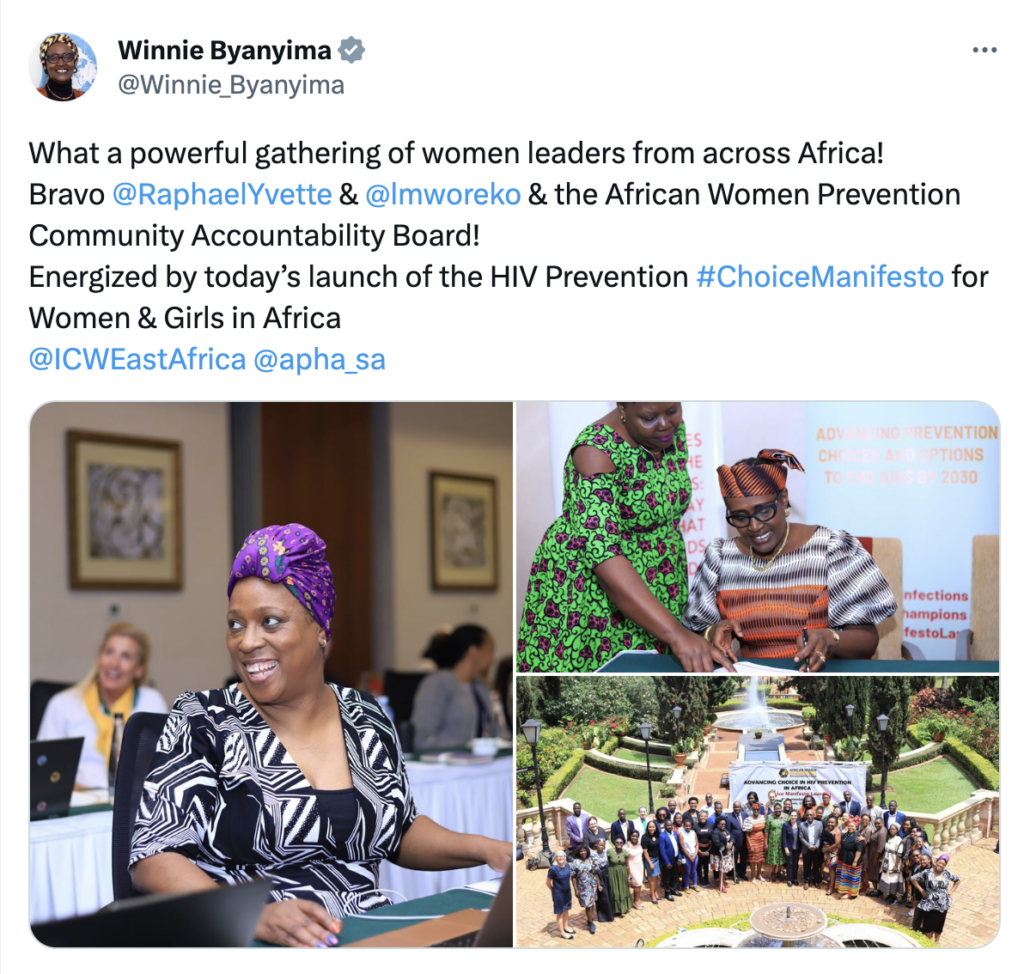
The African Women’s HIV Prevention Community Accounability Board (AWPCAB) launched the HIV Prevention Choice Manifesto, calling for increased political and financial support to ensure every proven method of HIV prevention is integrated into the HIV response, so that all women who need prevention will have access to the options that will make prevention possible for them. At the launch event in Kampala, UNAIDS Executive Director Winnie Byanyima gave a keynote address in support of the Manifesto’s call for all stakeholders to commit to the budgets and strategies that will make choice possible.  

“I congratulate you for the HIV Prevention Choice Manifesto. It’s about pushing everyone towards people-centered, women-centered and women-led approaches to HIV prevention. You have fought with your lives to get here. You are fearless feminists. Women must lead for themselves.” – Winnie Byanyima, UNAIDS Executive Director

Learn more about the HIV Prevention Choice Manifesto and other advocacy resources for choice in our latest AVAC blog, Reclaiming Choice: The launch of the HIV Prevention Choice Manifesto and what that means.  

The Dual Prevention Pill (DPP) 

The DPP Consortium created a multiyear strategy to frame priorities and next steps in the development and delivery of the dual prevention pill (DPP), which is being developed to prevent HIV and unintended pregnancy. This multipurpose prevention technology (MPT) combines oral PrEP with an oral contraceptive. The updated strategy consolidates two years of progress toward preparing the field for new MPTs. The strategy addresses additions to the MPT pipeline, the potential role of the private sector in delivering a future DPP, recommendations for provider counseling on the use of the DPP, market research on potential DPP users, the latest analysis on cost, and more.

Stay tuned for more resources and updates to come on the DPP, the Choice Manifesto, and tools for connecting choice to HIV prevention, ending the epidemic and the role of choice in global health equity in HIV, and beyond.

Reclaiming Choice: The launch of the HIV Prevention Choice Manifesto and what that means

By Jason Rosenberg

The African Women’s HIV Prevention Community Accountability Board (AWCAB) launched its HIV Prevention Choice Manifesto in Kampala, Uganda on September 8, 2023. This document, and the advocacy behind its development and release, marks a historic milestone in the power of community-led leadership and prioritization of choice in HIV prevention.  

“The toolbox for HIV prevention products is still falling short. More options are needed to suit everyone at different stages of their lives including an effective, accessible, and safe HIV vaccine if we want to see an end to the epidemic”. – Joyce Ng’ang’a, WACI Health, Accountability Board Member and Communications Lead

The AWCAB is a coalition of women and girls living and working in Africa who are united in calling for continued political and financial support for more choice in HIV prevention through the HIV Prevention Choice Manifesto. This comes at a time when political will and financial investment are critical to deliver new prevention options such as CAB for PrEP and the dapivirine vaginal ring to meet the needs of women and girls in Africa. In 2023, over four decades in the epidemic, a vast array of biomedical tools to prevent HIV acquisition exist, but these tools are only effective in their purpose if there is universal access, if communities know they exist and are able to choose from all the available options. The manifesto serves as a declaration of what could happen if African women and girls not only had a seat at the table, but led the response and advocacy efforts that shape healthcare for HIV prevention.  

“We have come a long way in the fight to secure choice in HIV prevention for women and girls. We are at a watershed moment to ensure we close the gap for new infections among women and girls. The launch of the Choice Manifesto is the beginning of the work ahead of us as we call on key players to sign onto the manifesto and become part of the change.” – Yvette Raphael, Advocacy for Prevention of HIV and AIDS (APHA), Accountability Board co-chair

Most notable was the presence of UNAIDS Executive Director, Winnie Byanyima, who delivered the keynote address and publicly endorsed and signed the Manifesto. Key stakeholders in HIV prevention participated in the launch and affirmed their commitments to choice. This included leadership from UNICEF, UN WOMEN, ViiV, PEPFAR, USAID, Global Fund, Ministry of Health, Uganda, Population Council/ IPM, Aidsfonds, FHI 360 and other civil society organizations. The commitments leadership and key stakeholders signed were focused on elevating national and global dialogue, ensuring resources to prevention options were accessible and sustainable, and bolstering support for local manufacturing of prevention products. Following the launch of the Manifesto, UNAIDS released a feature story on its website HIV Prevention Choice Manifesto for Women and Girls in Africa launched, highlighting the commitment to choice. 

Explore resources, tools, and takeaways from the launch including the full HIV Prevention Choice Manifesto.  

“The Choice Manifesto is an important and timely advocacy tool. It will help advocates lobby for resources and political will towards making HIV prevention options available for women and girls in Africa. We need commitment and actions from all stakeholders including funders and governments towards CHOICE-based HIV Prevention Programming”. – Grace Kumwenda, AVAC, Accountability Board Member

AVAC stands in solidarity with the Accountability Board, and congratulates the group on this major advocacy win! AVAC reaffirms its ongoing commitment to support the Accountability Board as part of the Coalition to Accelerate and Support Prevention Research (CASPR) and to champion the cause of ensuring choice in program implementation, access to and procurement of prevention options; and to advocating that the prevention agenda is shaped by women and girls who seek and want these essential tools. 

“We are not asking for much! Let us stop being comfortable with shameful statistics of alarming new HIV infections among adolescent women and girls and start providing options for HIV prevention that meet their needs. Their lives matter!” – Lillian Mworeko, International Community of Women living with HIV Eastern Africa (ICWEA), Accountability Board co-chair

As advocates continue to track and translate HIV prevention tools on the horizon, including already existing and revolutionary long-acting medications, it is important to listen to those who are leading the fight for equity and center choice in all of our implementation efforts.  

For more information on the Manifesto, please reach out to Yvette Raphael ([email protected]), Lillian Mworeko ([email protected]), or Joyce Ng’ang’a ([email protected]).  

PEPFAR at 20: Keeping the promise

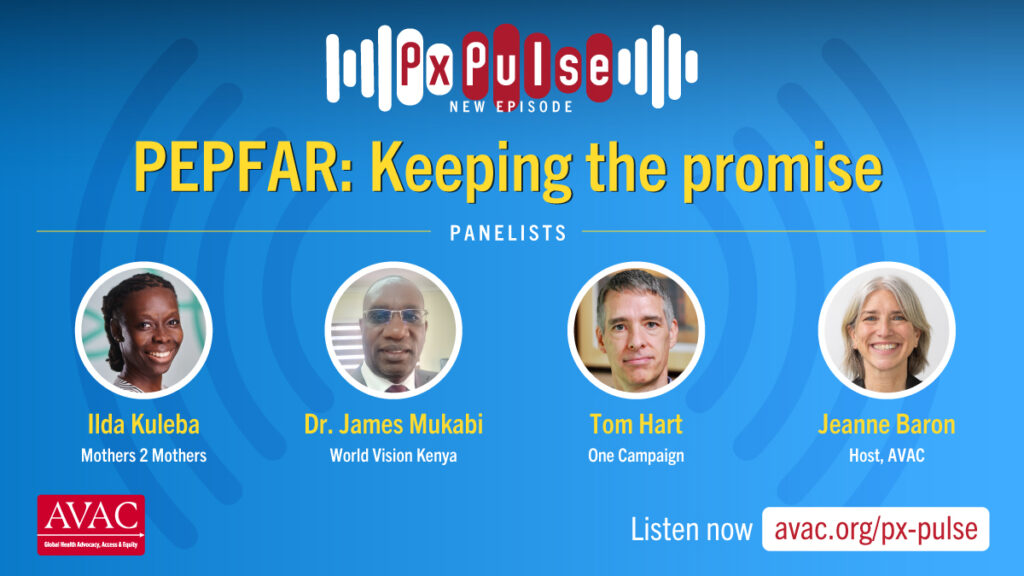
Our latest episode of Px Pulse is out, PEPFAR: Keeping the promise.  

PEPFAR is one of the greatest US foreign policy and global development achievements of the century. The program has saved upwards of 25 million lives since it launched in 2003. But as PEPFAR marks its 20th anniversary, it’s also fighting for its future.  

The US Congress needs to reauthorize PEPFAR for another five years by September 30 and reaffirm its commitment to this lifesaving program. Until a couple of months ago, most in global health and development expected smooth sailing for a five-year reauthorization of the program, as has happened throughout the past 20 years. PEPFAR has enjoyed deep and broad bipartisan support since its founding. Evangelical Christians, staunch conservatives and progressive liberals, Democrats and Republicans, HIV activists, civil society advocates and public health leaders have all championed PEPFAR, year in and year out. But a handful of Republicans, including past PEPFAR allies, are pulling reauthorization into high-stakes partisan politics. 

In this episode, Px Pulse talks to some of the people who put PEPFAR dollars into action and to global health leaders who explain why PEPFAR’s approach has been so effective, and what’s at stake in this debate. 

Tune in to hear: 

    Ilda Kuleba from Mothers 2 Mothers talks about the impact of PEPFAR on their work across 10 countries, training and employing HIV positive mothers as peer healthcare workers. 

    Dr. James Mukabi of World Vision’s Kenya program talks about how this Christian relief organization has changed the lives of thousands of orphans and other populations who are vulnerable to HIV.  

    Tom Hart, President of the ONE Campaign, which was co-founded by the rock star Bono, to be an early champion of PEPFAR and other poverty fighting efforts talks about PEPFAR’s accomplishments at the global level and what’s next as Congress debates reauthorizing the program.

    PEPFAR’s supporters have a job to do, to make sure everyone understands that the world has a lot to lose if PEPFAR is weakened and so, so much to gain if US policymakers unite in their support. We hope you will listen and pass on the episode, download the resources and, most especially, add your voice in support of PEPFAR.

      Announcing the New AVAC.org and Digital Resources

      We are delighted to share the new and improved AVAC.org! On our new site, you can easily access all the great data, policy analysis, tools and resources that you’ve come to expect from AVAC, including our much-loved infographicspodcastsWeekly NewsDigest and Pandemic Watchwebinarsresearch literacy materials and so much more! 
       
      The updated AVAC.org also reflects the expanded vision and practice of our dynamic programs. AVAC will always work to accelerate ethical development and equitable delivery of effective HIV prevention options. But, we also know that responding to HIV and preparing for future pandemics requires a comprehensive, integrated, and sustained response that is rights-based, people-centered and evidence-informed.
       
      To AVAC, this means connecting the dots between HIV prevention, sexual and reproductive health and rights, pandemic preparedness, strengthened health systems, research engagement and community leadership. It means recognizing that resilience in global health requires us to confront the threats posed by disparities in access, entrenched stigma, discrimination, criminalizing key populations and inadequate responses to other sexually transmitted infections.

      Visit the new AVAC.org for resources, tools and analysis that make these connections as we continue to track and translate the field, including:

      • Information on the entire pipeline of biomedical prevention strategies being investigated today
      • Our projects, which showcase the incredible partnerships and collaboration that underpin everything we do
      • Our podcast, PxPulse, which will deepen your knowledge and help you “check the pulse” of this fast-paced field and the urgent challenges still ahead
      • PxWire our quarterly update on where we are in biomedical prevention research
      • Our HIV clinical trials database, where you can find details on all biomedical prevention trials and our broader resource database containing fact sheets, infographics, blog posts and more on HIV prevention and the broader issues surrounding global health equity
      • Links to our newsletters—Pandemic WatchWeekly NewsDigest, and our Advocates Network

      And be sure to check out three vital AVAC resources that give you all the information you need on PrEP accessSTI vaccine and diagnostics R&D and HIV prevention R&D funding.

      We are immensely proud to share these resources with you. We hope these tools and analyses will help to power your advocacy, accelerate ethical development and equitable delivery of effective HIV prevention options, and advance global health equity.

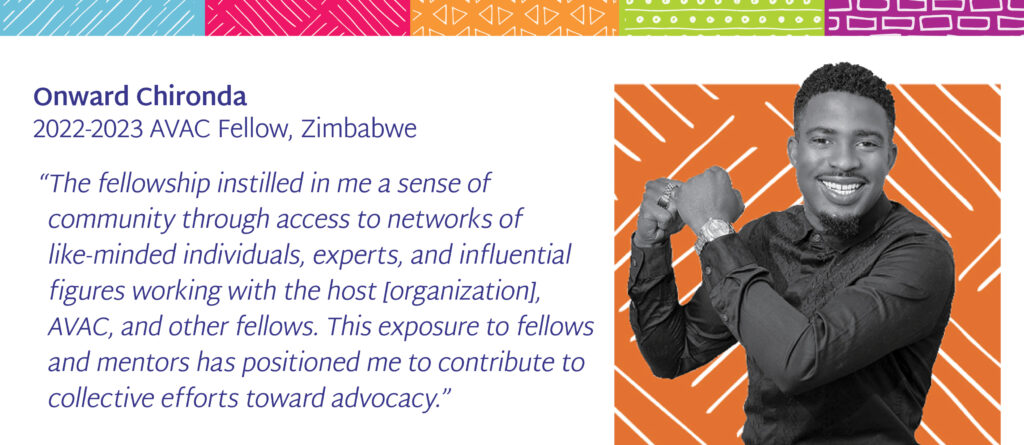
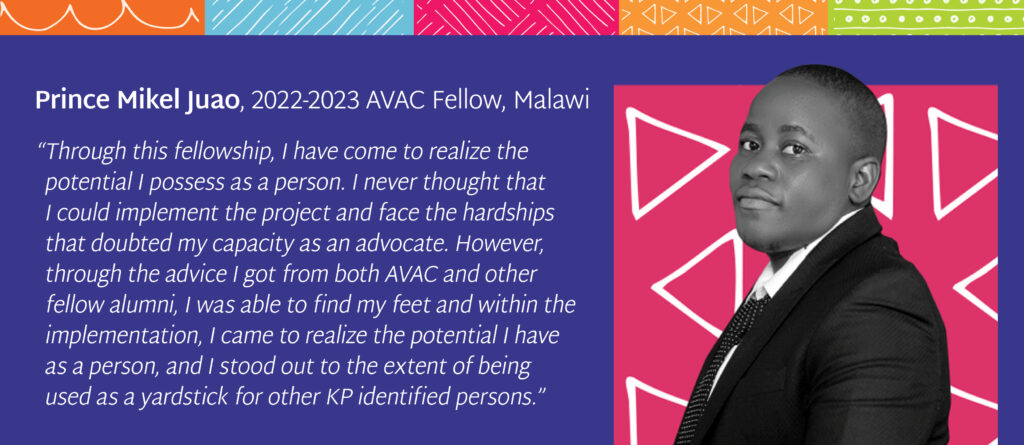
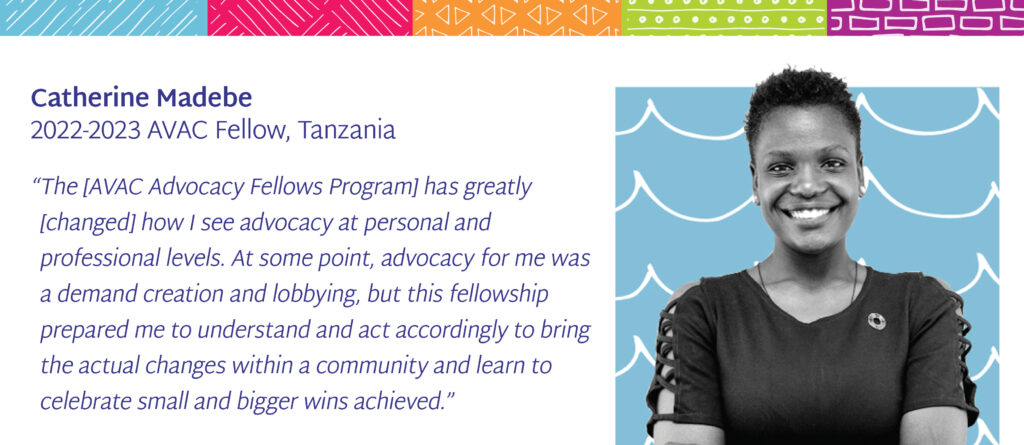
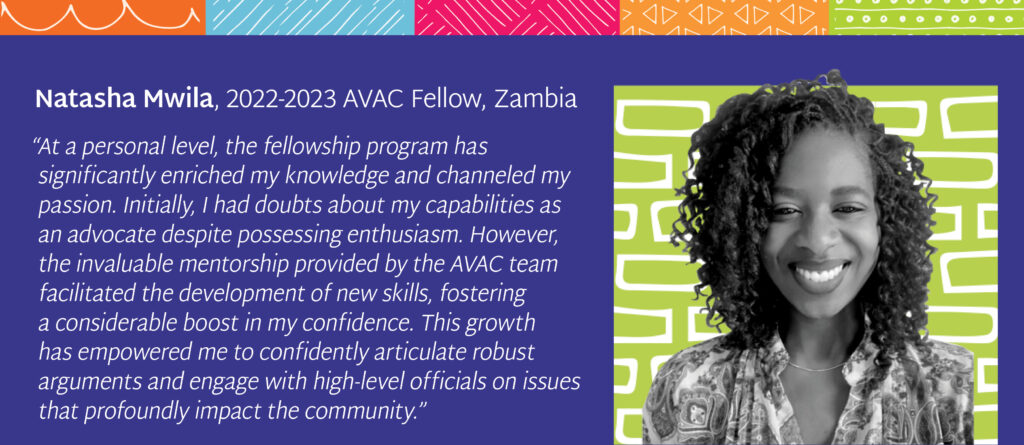
      AVAC 2024 Advocacy Fellows Applications Now Open!

      Application Deadline: 2 October 2023

      AVAC is thrilled to invite applications for the 2024 Advocacy Fellows Program. Fellows accepted into the program, will mark the 13th cohort of this program. Read further to explore the history of the program, learn about new features for 2024, find application details, and register for upcoming informational sessions.

      Download Application Materials HereApplication deadline: 2 October 2023

      About AVAC’s Advocacy Fellows Program

      Achieving successful HIV prevention relies on programs and research shaped by communities and grounded by their needs and priorities. Skilled and informed community advocates drive this process. AVAC’s Advocacy Fellows Program expands and strengthens the capacity of civil society advocates and organizations to monitor, support and help shape HIV prevention research and rapid rollout of new effective interventions in low- and middle-income countries facing substantial HIV burdens.

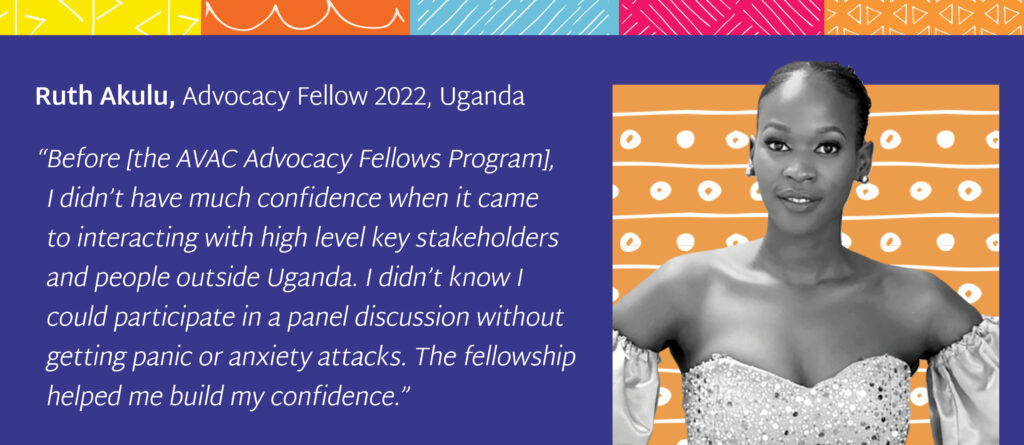
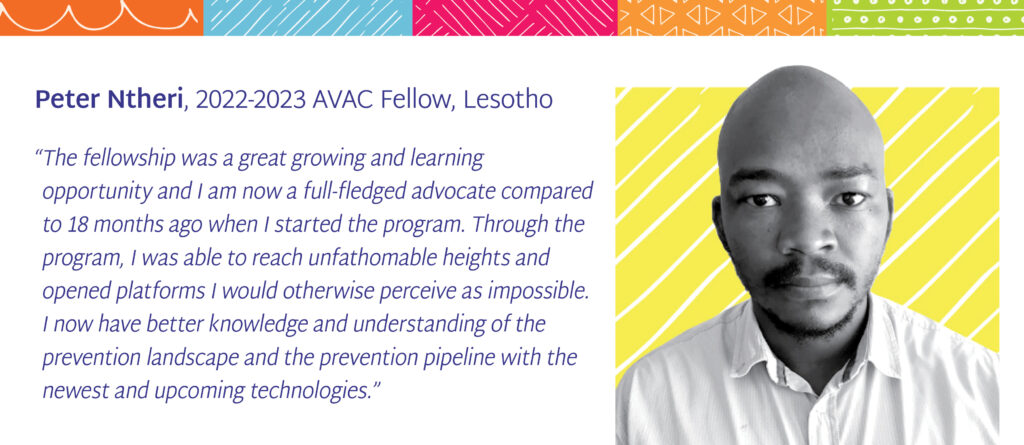
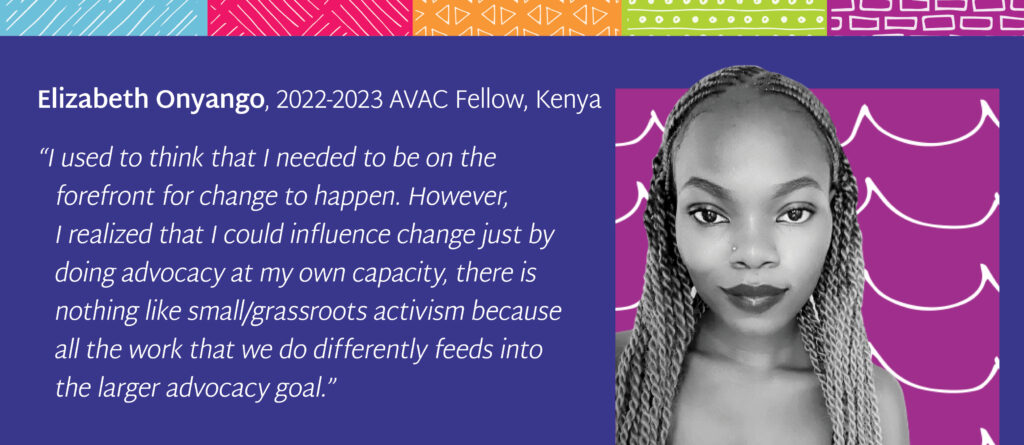
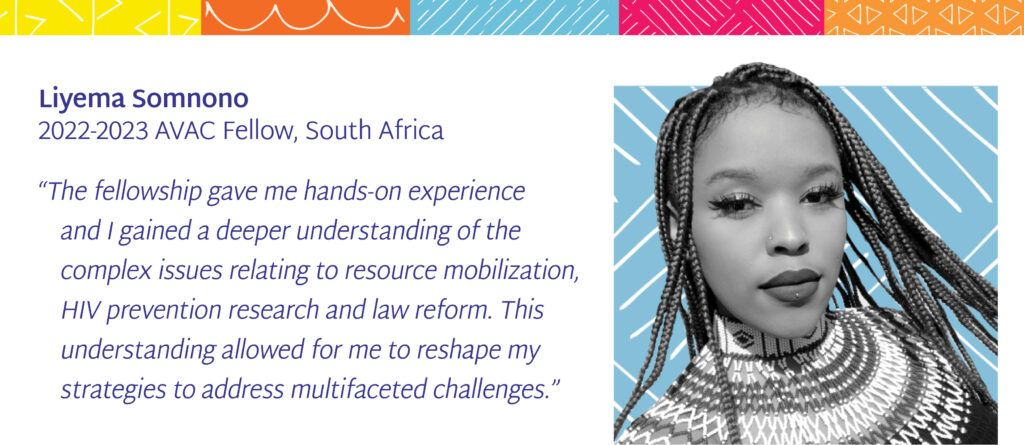
      The program provides intensive support to emerging and mid-career advocates to execute advocacy projects addressing locally identified gaps and priorities. Fellows receive comprehensive training, financial backing, and technical assistance to strategize and execute a targeted 18-month project hosted by an organization within their country.

      In its 15-year history, 85 Fellows and 75 partner organizations across 15 countries have participated in the program. They have influenced policy, championed community perspectives, strengthened healthcare systems, demystified HIV prevention research, advocated for fairness and transparency on local, regional, and global scales and now lead many national and regional organizations. Discover more about the program’s impact here. As the 2022 Fellows conclude their Fellowships, learn more about their projects and achievements here.

      What’s New in 2024

      While HIV biomedical prevention advocacy remains central, we encourage projects with a strong focus on health equity, structural considerations, and links to TB, STIs, and sexual and reproductive health and rights. Advocacy projects related to pandemic prevention, preparedness and response are also welcomed.

      Eligibility

      • Emerging or mid-career community leaders and advocates who want to advance their advocacy skills and advocate for HIV, SRHR, STI, TB, and pandemic prevention and preparedness.
      • Individuals with experience or education in HIV or public health, or in advocacy for key populations (e.g., sex workers, LGBTQIA+ individuals, pregnant individuals, people who use drugs) or for social and economic justice.
      • Based in low- and middle-income countries with substantial HIV burdens and ongoing HIV prevention research or introduction of new interventions.
      • Please note that for 2024 fellowships, priority focus lies in Eastern and Southern Africa.

      Proficient in written and spoken English.

      Application Process

      Learn More

      Applications are due by 2 October 2023, and 2024 Fellowships will run from April 2024 through September 2025.

      Spread the Word

      Help us reach potential advocates by sharing this information within your networks.

      We look forward to receiving your application and making a positive impact together.