September 8, 2026
HIV prevention research must be conducted in collaboration with the communities it intends to serve; decisions about study design, participant populations and locations, conduct, and future access need to reflect community input. This engagement creates transparency in the process, builds trust, and facilitates future acceptance of trial results. The AVAC and UNAIDS Good Participatory Practice (GPP) Guidelines are a proven framework for early and sustained partnership between advocates and researchers throughout the research process. As clinical trial research becomes increasingly complex, and as innovative HIV prevention products advance through the pipeline, advocates with dual skillsets – deep contextual knowledge of their community’s needs and scientific and technical knowledge – are increasingly sought after to provide critical community input in research that aligns with GPP and holds researchers accountable.
Building a Skilled Network of Advocates to Influence HIV Research
AVAC’s Clinical Trial Design Academy (CTDA), established in 2019, equips advocates with the scientific knowledge and skillset to influence research – from priority setting to trial design and conduct, to results dissemination. Today, the Academy’s 27 members are highly sought after experts who are directly influencing HIV prevention research. Through immersive learning, ongoing skills strengthening, and direct engagement with research teams, product developers and funders, the CTDA has nurtured this growing pool of technically prepared advocates and community representatives who critically review and inform complex trial designs, ask critical questions, and ensure community priorities are reflected in research decisions and protocols.
For Academy members, this continuing education has changed how they engage with both researchers and the communities they represent. Rather than choosing between scientific expertise and community knowledge, they bring the two together; translating complex science for communities while bringing community priorities into spaces where research decisions are made. As one member reflected:
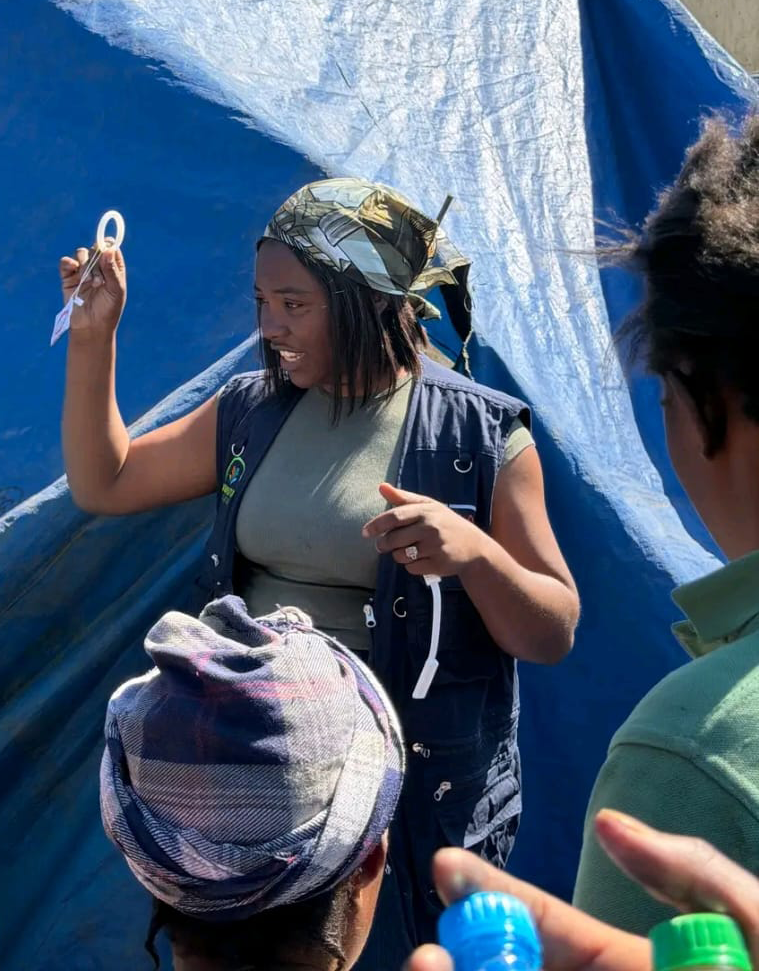 “Personally, CTDA has helped me put my community first because, with every interaction I have with clinical trials and scientists, every question I ask and every contribution I make is based on community perspectives. I am now able to translate community needs into scientific priorities, ensuring that the voices of the communities we represent are reflected in research and product development.”
— Idah Mulala, Ascend Futures Foundation, Zambia
Academy members’ growing influence and technical knowledge is further reinforced through the strength of the CTDA network. The Academy connects advocates with each other as well as directly to the clinical trial researchers, product developers, regulators, and other experts who shape HIV prevention research. As a network of diverse stakeholders with varied experiences, CTDA members can come together to confront technical challenges, share lessons learned, and work together to advance community needs.
 “Beyond the technical skills, the biggest impact has been the network we’ve built, a community that continues to learn from one another and ensure research remains responsive to community realities.”
— Simon Ondiek, Kenya
Translating Community Priorities into Research Decisions
CTDA members are using their technical knowledge, community expertise, and collective advocacy to not only engage on individual trials, but to define and advance community-centered research priorities for the field. Recently, CTDA members helped shape the development of the People’s Research Agenda (PRA), a community-led accountability framework that assesses the state of HIV prevention research across the pipeline and identifies community-driven priority actions for HIV prevention and vaccine research. CTDA members – and advocates in general – use the PRA to advocate for concrete recommendations, including the inclusion of transgender and non-binary people, people who inject drugs, and pregnant and lactating people; examining interactions with gender-affirming treatment and other medicines; improving adherence support; and building post-trial access, pricing and scale-up planning into research from the outset.
Together, the CTDA and PRA create an upstream engagement mechanism through which community priorities can influence research questions and agendas long before individual trials are designed and implemented. Those community priorities are then carried from the broader research agenda into the design and conduct of individual trials. Building on work pioneered during the PURPOSE trials of injectable lenacapavir, the CTDA participated in the very first consultation of any kind for what became Merck’s EXPrESSIVE program assessing the efficacy of a new monthly oral PrEP pill. Seven CTDA members then participated in follow-up protocol consultations. Because of this early engagement, community recommendations informed protocol development and major trial decisions. Merck has publicly recognized the role of community input, including the selection of daily oral TDF/FTC as the comparator in the EXPrESSIVE program. Their involvement is part of a broader approach to community engagement across the EXPrESSIVE program that has placed advocates at the center of trial planning, and six CTDA members serve on the trial’s Global Community Advisory Board, providing sustained community input as the trial moves forward.
The design and conduct of the EXPrESSIVE trials demonstrate what is possible when technically informed and empowered advocates are engaged early and consistently to inform decision-making. Academy members are also applying their knowledge to other research accountability structures, ensuring community engagement in defining upstream research priorities, informing trial designs, and sustained partnerships throughout trial implementation and product rollout planning. Currently, CTDA members are also represented in the Zambia Community Advisory Platform, the AIDS Clinical Trials Group Community Advisory Board (CAB), the Baylor College of Medicine CAB, FASTER Pediatric and Adolescent CAB, amongst others.
Preparing Advocates for What’s Ahead
Approaches like AVAC’s CTDA matters more than ever today: new and emerging HIV prevention technologies require increasingly complex trial designs, and communities are being asked to weigh in on scientific, ethical, and implementation questions, especially when there are no clear-cut answers. Without the CTDA and broader community engagement mechanisms, HIV prevention research risks becoming less connected to the people it is intended to serve. The field needs trusted mechanisms like the CTDA that prepare advocates to interrogate complex trial designs, identify ethical and implementation risks early, and ensure that scientific efficiency does not come at the expense of relevance, equity, acceptability, or future access. That preparation is ongoing with regular CTDA convenings where members are continuously supported to deepen their technical knowledge and engage with new developments in the field; the next CTDA convening will take place in October 2026. As resources shrink and trial designs become more complex, this combination of technical literacy, community accountability and sustained researcher–advocate partnership is more essential than ever.